

Mapping The Rise of Independent Chefs in Egypt
Egypt’s chefs are no longer hungry for positioning––they crave cooking, experimentation, and purpose.
In recent weeks, the world of fine dining has come undone with the latest allegations of abuse at its Copenhagen northstar, Noma, which for five years ranked as the best restaurant in the world. Under the violent reign of Chef René Redzepi, a normal day in Noma’s three Michelin star kitchen involved punching, screaming, and blackmail, even as the Chef’s staff served the experimental New Nordic creations for which the restaurant has become an institutional reference point.
The meltdown surrounding Noma has implications even in Egypt. In the past half decade, a new culinary culture shaped by a young generation of European-trained chefs has been forming in Cairo, where fine dining was basically non-existent outside of a stock circuit of hotels. But while Egypt’s culinary scene has always lagged behind European and regional counterparts such as Dubai, at the hands of this risk-taking new generation, local trends are now on pace with global ones, and, unburdened by institutional weight, perhaps even skipping to the lead. Young, skilled, and hungry for something new, the rising wave of independent chefs in Egypt is bypassing the traditional route and going alternative, bringing the focus back to people’s experience of food and away from the confines (and pitfalls) of the fine dining establishment.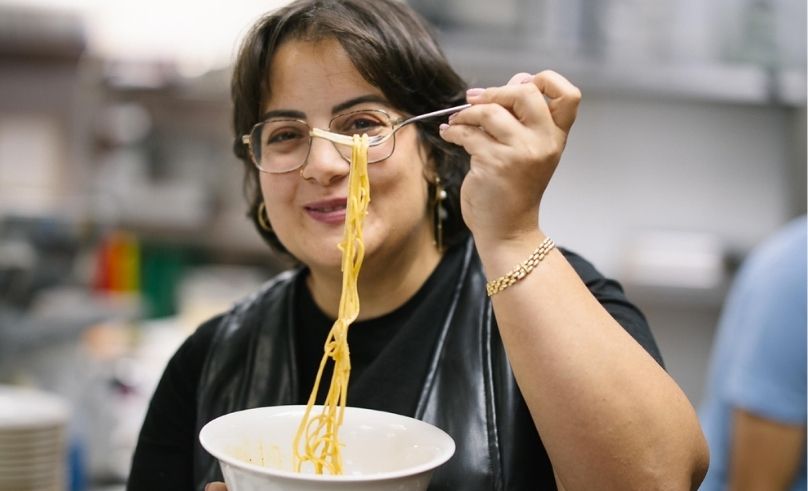 “There’s restaurant fatigue globally,” says Reem Khamis, co-founder of The Early Bird Club and Content Director at Flavor Republic Ventures, the company behind Cairo Food Week. “Everywhere you look there’s alternatives coming out like supper clubs and pop-ups, because customers and chefs alike are growing tired of the rigidity of the fine dining setting.”
The Early Bird Club, which Khamis co-founded with Chef Akram Lotfy, is a breakfast pop-up centered just as much around human connection as innovative menus. “Food is supposed to be a bonding experience,” she says, “and that’s what people are looking for now when they spend a big chunk of their salary on a culinary experience.”
Being able to have this independence in the vision and execution of their craft is a major reason why many of Egypt’s young chefs are creating their own ventures earlier in their careers, and, as both cause and effect, the attitude towards chefs in Egypt is changing. Until very recently, Khamis explains, a chef in Egypt was looked upon more as a craftsman or an artisan rather than a creative professional–but this is shifting.
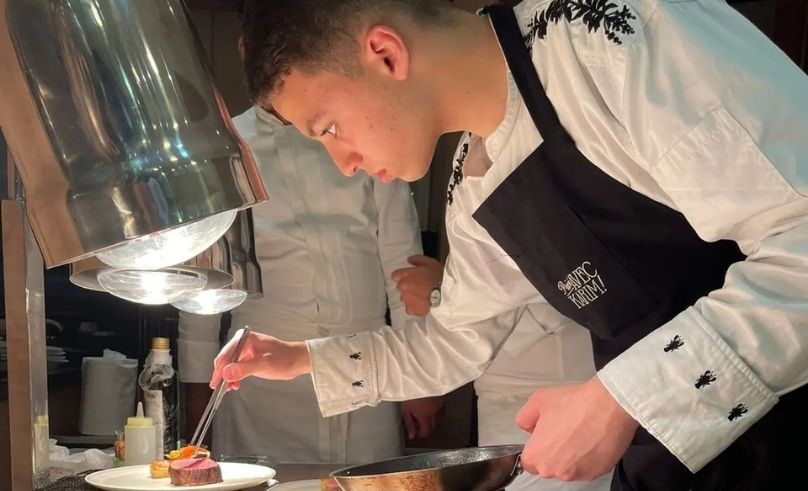
“We’re still in a stage where the restaurant is known for its restaurateur not its chef,” explains Khamis, “but today’s generation of Egyptian chefs who grew up without having any names to look up to is starting to become those names.” One of them is Chef Farah El Charkawy, whose assessment of the shifting role of chefs in the local culinary scene matches Khamis’s.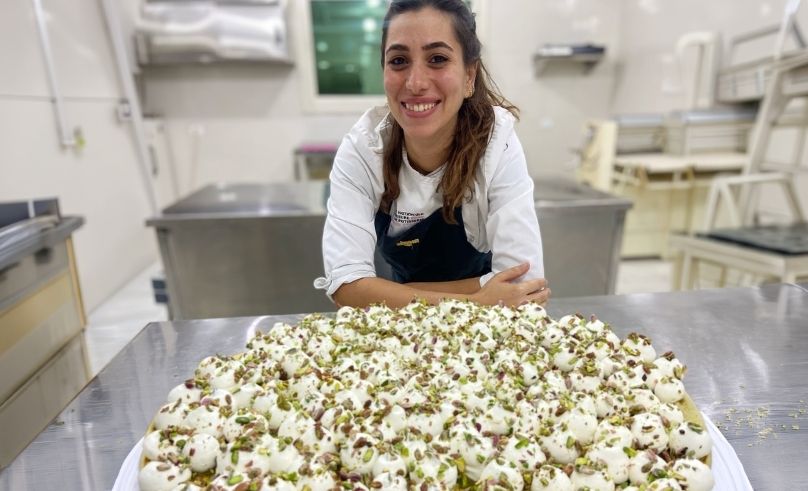 “Five or six years back, Egyptians saw the role of a chef completely differently than the way they see it now,” says El Charkawy, the founder of Fôu and the first Egyptian to train at École Ducasse where she graduated in 2019. An arbitration lawyer-turned-chef, El Charkawy did internships at Michelin-starred restaurants in Paris and Dubai before returning to Egypt, where she was supposed to begin work in the kitchen of a highly-regarded restaurant.
“My employment got cancelled because of Covid,” she says, “which ended up being great because I benefitted a lot more working alone and challenging myself to experiment with things I hadn’t learned or still needed to practice.” After building a clientele with her home-based cloud kitchen selling unique pastry boxes, El Charkawy eventually opened her own salon de thé, Fôu, in New Cairo in 2025.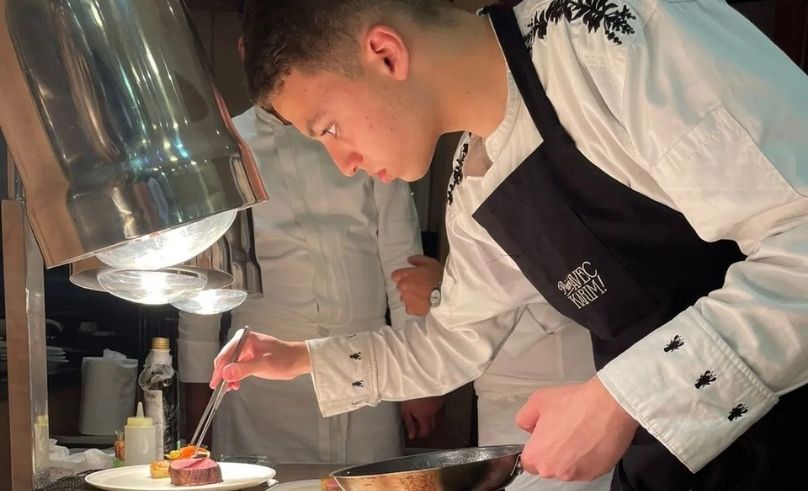 But El Charkawy is an exception. Fôu exists physically, but many of Egypt’s rising chefs are experimenting with alternative outlets for their culinary creativity, ones that don’t require a physical home. Chef Abdelaziz Labib, the founder of Thyme, channels his culinary experience into crafting ready meals delivered to people’s homes or workplaces. “I felt a bit hollow in fine dining,” Labib says. “I love cooking and I felt I needed to provide real value and utility to the people around me through my craft.”
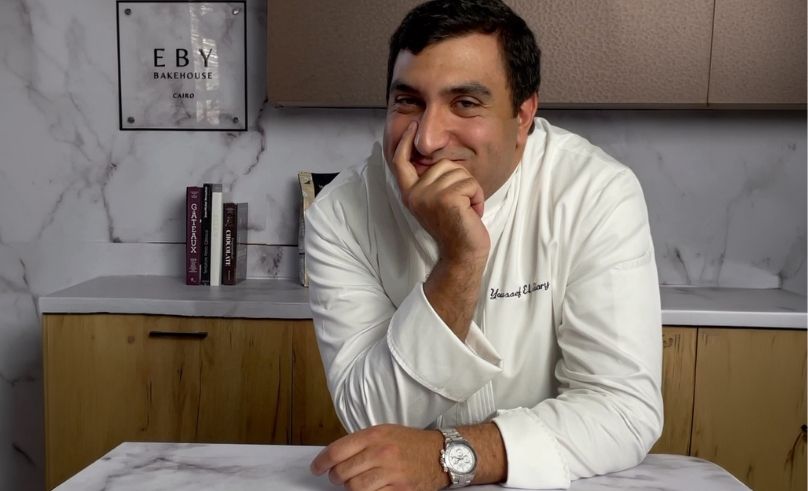 Similarly, Chef Youssef El Ebiary, who obtained a Grande Diplome at Le Cordon Bleu Paris in 2018 under the guidance of Chef Eric Briffard, returned to Egypt and set up an unconventional food consultancy-meets-online bakery in the form of EBY Bakehouse. “When I returned to Egypt, there were not many great chefs like there are today for me to learn from,” El Ebiary says. He wasn’t taken seriously at first as a young chef by the kitchen suppliers and galleries he visited when he began to set up his business. In the years since, however, he’s become one of the faces of Egypt’s up and coming food concepts, and has hosted Million Pound Menu Egypt.
El Ebiary highlights that the empowerment of chefs like him was enabled by a consumer base that is also becoming more well-educated and aware. “Once people are educated there’s more appreciation, which is beautiful. This gives chefs like us more room for growth without having to worry that people won’t comprehend what we’re doing.”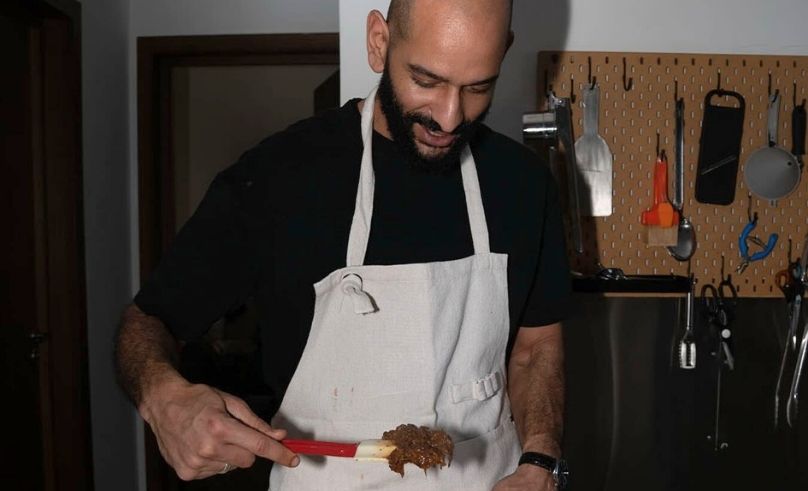 Like The Early Bird Club, a new wave of culinary experiences is stretching that notion to new limits, finding a strong market appetite for the innovative menus and impeccable service of fine dining presented in more experimental and accessible formats. One such example is the pop-up The Coolcat Experience.
“Coolcat is all about you letting yourself go,” says Chef Hazem Abdelghany, who co-founded the pop-up alongside Yasmin Mahrous and Ali Abu El-ezz in 2024. Diners show up without knowing anything about the menu beforehand, which Abdelghany and his team create uniquely for each event. It was for this kind of creative freedom that Abdelghany, whose kitchen experiences include years at Kazoku, Ralph’s German Bakery, and Kiki’s Setup, went independent.
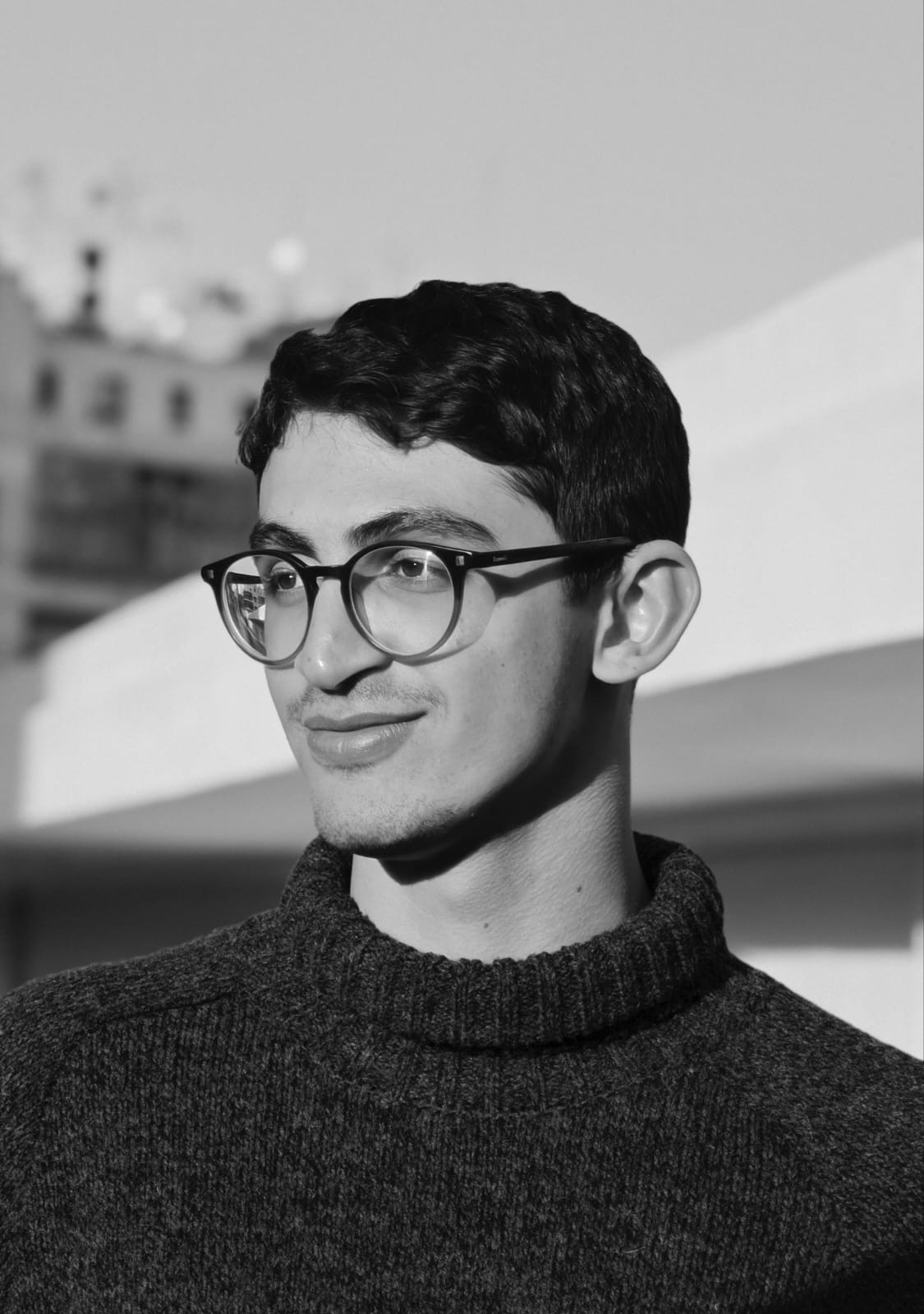
“Taking the initiative to do something outside the box is always risky, but there’s a certain point in your career where you want to express your creative freedom and your flavour palette,” he says. In the years he spent training in Rome and at some of Egypt’s top restaurants, Abdelghany admits it was a tough working environment with long working hours, but that he’d never come across the cut-throat nature evident in Noma’s recent scandal. Instead, he says that in Egypt he’s noticed that “chefs are spotlighting their team and helping one another,” and that “there’s less and less gatekeeping of recipes and knowledge between chefs.”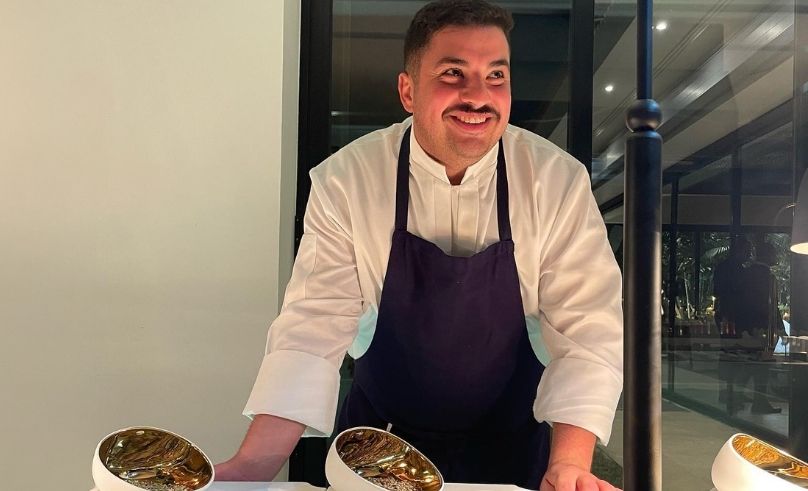 He’s not the only independent chef to emerge from Egypt’s top establishments with positive things to say. Chef Youssef Eid, who founded high-end catering experience Blankusta after graduating from École Ducasse in 2022, spent four years working at The Lemon Tree & Co. under Chef Mirette Aly, who supported and encouraged his vision of going independent. “When I returned from École Ducasse I knew from Day 1 that I wanted to start my own thing, and when I told Chef Mirette that my time at The Lemon Tree would be temporary and that I wanted to learn x, y, and z while I was there, she said, yalla, I’ll help you.”
This collaborative, risk-taking culture, propelled by the emergence of new institutions like Cairo Food Week and a generation of empowered chefs unafraid to pursue their visions, is a big part of the reason why Egypt is finally making its mark on the global culinary scene.
It’s a process that’s still in its infancy, but that’s no reason not to celebrate. After all, as Farah El Charkawy puts it, “What we’re seeing in Egypt’s culinary scene now is the best ever in our history.”
Related Articles
Trending This Month
-
-

-
 Sep 27, 2026
 -