

Alma is the Roaming Supper Club That Won’t Tell You Where You're Going
Alma is a roaming heritage supper club where food, strangers, music, and surprise collide at shared tables that shift every edition.

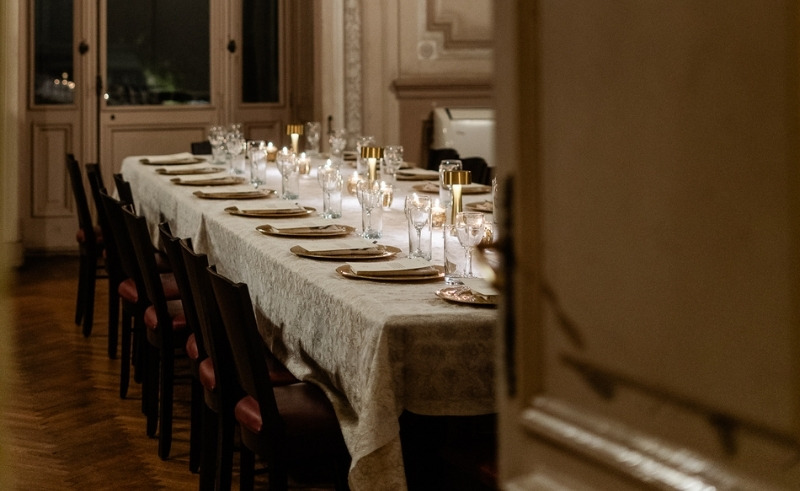
Somewhere between a secret dinner, a road trip, and a very well–behaved cult, Alma is a roaming heritage supper club dreamed up by Alexandria-born Egyptian Lebanese social entrepreneur and community-builder Malak Yacout. It doesn’t live in one venue or serve one cuisine.
What it does promise is this: “Food, people, and place are all curated to tell one story of the venue or destination we’re in,” Yacout tells SceneEats.
People still try to label Alma a ‘pop-up’ but Yacout never really takes the bait. For her, the word feels too light for something built on memory, trust, and return. “I saw so many concepts that were disconnected from who we are,” she tells SceneEats. “I saw a gap in the hospitality scene. We had Italian, Asian, Lebanese – and our own street food – but where was heritage fine dining? Where were experiences that felt like us?”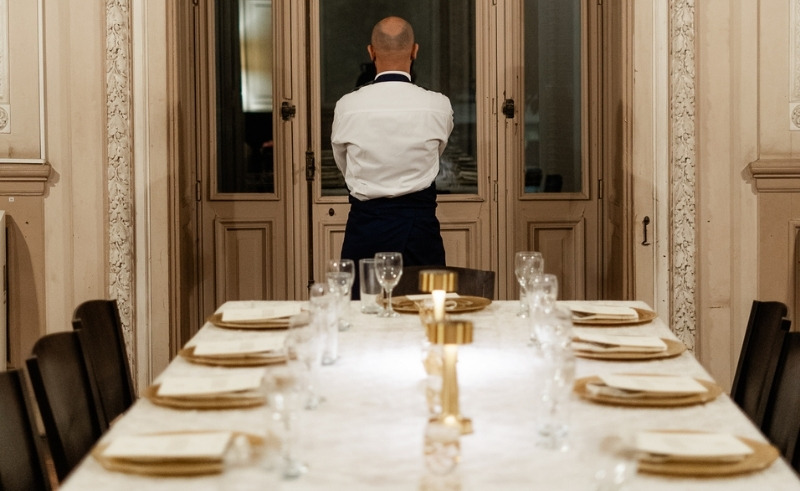 Alma came out of that gap, built around heritage, but moves from place to place and changes shape each time, staying fluid, and telling different stories that shift with the setting, the menu, and the people at the table. One edition might land in the countryside, another inside a museum, another in a tucked-away mansion. It’s not just anchored to Cairo either; it’s conceived as a regional project circling the Mediterranean.
“The food always has to tell the story of the place,” Yacout insists. “You will never be in an Egyptian museum eating Italian. You will never have that.” To Yacout, the menu has to thread back to lineage, memory, and the particular patch of earth you’re standing on.
The founder has travelled to more than 45 countries, and her native language, low-key, is food. Before Alma even had a name, she was that friend who curated entire itineraries for people.
“Food is my language,” Yacout tells SceneEats. “I always tell my stories through it.”
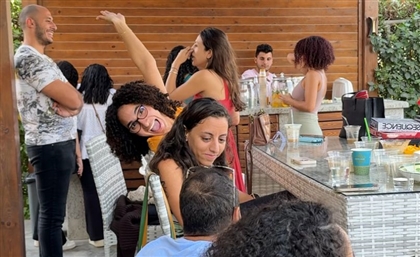
A typical Alma night lasts around three to four hours with the chefs often being emerging talents or local community cooks who, in any other context, would be stuck in the back of house.
“We always bring people to the front, we want to support them,” she adds. “The chefs, the communities, they’re telling their stories directly to the guests.” Alma doesn’t work on walk-ins or last-minute DMs; you register through the website, put together a profile, and apply to the nights that catch your eye. After that, you wait until the right table finds you.
“The idea is to put people who would really have a great time together,” Yacout explains to SceneEats. “You will never have two people at the same table doing exactly the same thing.”
Booking Alma means surrendering the one thing most people cling to: certainty. You genuinely don’t know where you’re going and this secrecy didn’t come from branding brainstorms, but from watching how people moved when the details were stripped away. Without a location to fixate on, attention shifts to the idea, the room, the people, the moment itself.
“If I tell you there's dinner at a restaurant, you start calculating everything in your head,” Yacout tells SceneEats. “But if I tell you it’s 20 seats, a mystery place, only hints; you become more intrigued.”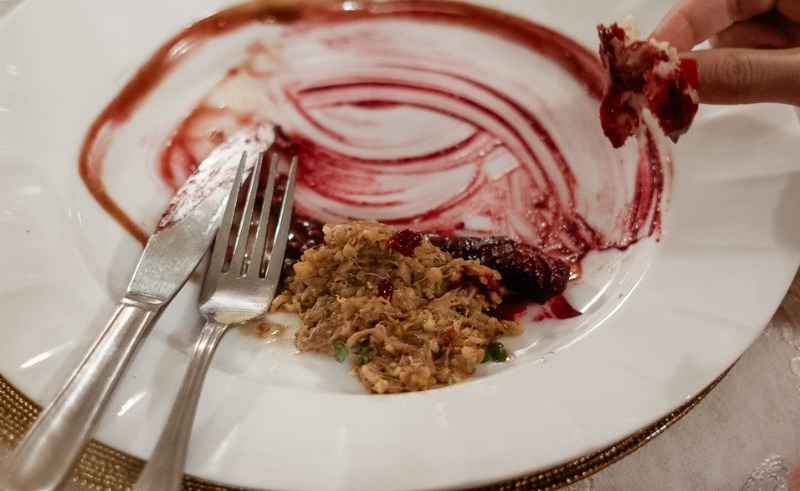 The secrecy cuts through hesitation and leaves you with one simple decision to make: Not where. Not how. Just whether you trust the concept enough to show up. It really ends up shaping the crowd on its own with the people who need certainty usually falling away and the ones who are curious, flexible, and open to surprise coming back again and again. “When someone gives me their trust, I take that very seriously,” she says. “If you book from a teaser alone, I owe you more than what you paid for.”
Because the crowd changes, the endings change.
One edition ended like a fiesta and another unravelled into a bonfire reading when a guest revealed they were a writer, pulled out copies of their book, and read until people cried.
Before Alma, Yacout spent eight years running The Volunteer Circle, a regional social enterprise rooted in community-building.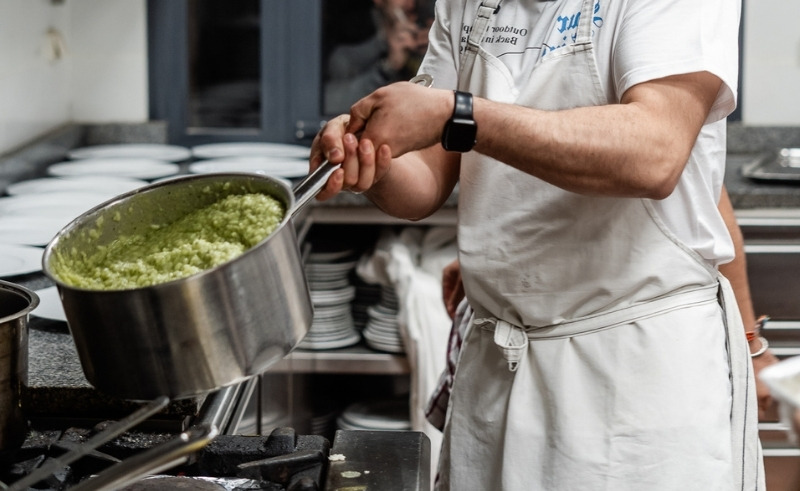 “I’m a community builder by nature,” she says. “I always enjoyed creating communities around concepts.”
Right now, Alma continues to roam.
“The supper club is only the beginning,” Yacout tells SceneEats. “The destination of this community is deeper than that.”
Looking ahead, flagship experiences will return to the same locations and slowly build familiarity, while nomadic editions continue to stretch across regions and keep the table moving. “When you create a flagship experience, it only gets better,” Yacout tells SceneEats. “You just keep improving it, again and again, until it becomes one of the signatures you’re known for, like Dahshur.” Early 2026 will also mark Alma’s first step outside Egypt, with a Lebanon edition already in the works.
- Previous Article Egypt’s First ‘Em Sherif Deli’ Will Open in New Cairo’s Park St.
- Next Article El Gouna's Don Bisho Will Open in New Cairo